Post-Workout Recovery: What Your Muscles Need and Why Water Alone Won't Cut It
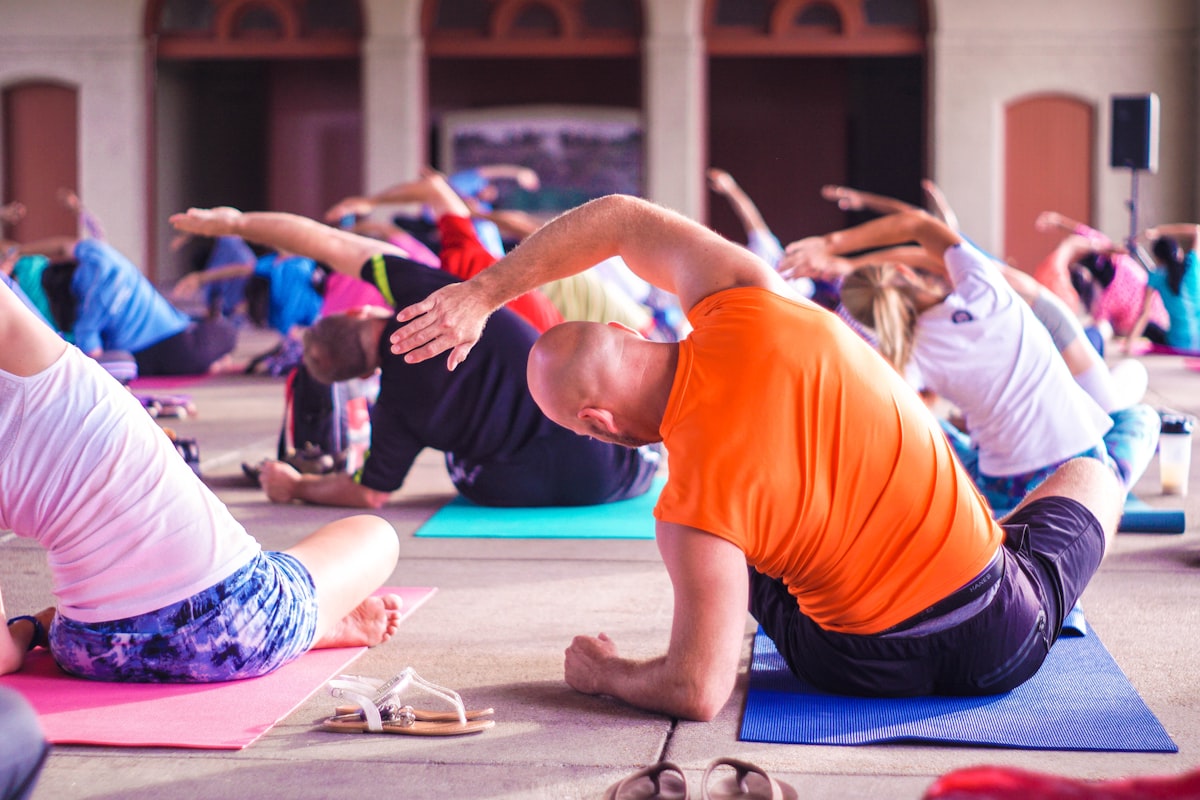
Your Muscles Are Screaming. Here's What They're Asking For.
You finished your last set at a gym in Santa Monica. Or you ran six miles along the Strand in Manhattan Beach before the fog burned off. Maybe you pushed through a CrossFit class in Silver Lake that left your quads shaking on the drive home.
Two hours later, you feel it. Not the good kind of sore. The deep, creaky stiffness that makes climbing stairs feel like punishment. Your shoulders lock up. Your calves refuse to cooperate. You drink water, eat protein, foam roll until your eyes water. And tomorrow, the stiffness is still there.
This cycle repeats weekly for millions of people across Los Angeles. The city rewards movement. Hiking Runyon Canyon, surfing in Venice, boxing in Hollywood, cycling Mulholland. But the recovery side of fitness gets ignored until the body forces the conversation.
Most people assume that soreness is inevitable and time is the only cure. That's incomplete. Your muscles have specific biochemical requirements after intense exercise, and most recovery routines address only a fraction of what's happening at the cellular level.
What Happens Inside Your Body After Intense Exercise
During a hard workout, your muscles undergo controlled damage. Each contraction creates microscopic tears in muscle fibers. This is normal and necessary for growth. But the repair process demands resources your body may not have readily available.
Three things happen simultaneously after exercise:
Fluid loss accelerates. You lose 0.5 to 1.5 liters of sweat per hour during intense exercise, depending on the temperature. In the San Fernando Valley during summer, that number climbs higher. Sweat carries sodium, potassium, magnesium, and chloride with it. These electrolytes regulate muscle contractions, nerve signaling, and cellular hydration. When levels drop, muscles cramp, fatigue hits faster, and recovery slows.
Inflammation spikes. Your immune system responds to muscle damage by sending inflammatory markers to the affected tissue. This is productive in small amounts, clearing debris and initiating repair. But excessive inflammation extends soreness from 24 hours to 72 or more. Free radicals generated during exercise compound the problem by damaging healthy cells surrounding the injured fibers.
Energy stores deplete. Glycogen, the stored form of glucose in muscle tissue, drops by 50-80% during a hard session. B vitamins, which your body uses to convert food into usable energy, get consumed at elevated rates during exercise. Magnesium, critical for over 300 enzymatic reactions including muscle relaxation, leaves your body through sweat and metabolic demand.
Recovery isn't a single process. It's a simultaneous restoration of fluids, electrolytes, energy substrates, antioxidants, and cellular building blocks. Address one without the others, and something remains bottlenecked.
The Standard Recovery Toolkit (And Where It Falls Short)
Most athletes rely on a familiar rotation: water, protein shakes, stretching, maybe a cold plunge if the gym offers one. Each contributes something real. None covers the full picture.
Water rehydrates, but slowly. Drinking water after exercise helps, but the GI tract absorbs liquid at a fixed rate, roughly 800ml to 1,000ml per hour under optimal conditions. If you lost 2 liters during a Griffith Park trail run, full rehydration through drinking alone takes 2-3 hours minimum. Meanwhile, your cells remain partially depleted.
Electrolyte drinks add minerals, but in low concentrations. Sports drinks contain some sodium and potassium, but the concentrations are designed for during-exercise sipping, not post-exercise replenishment. A typical sports drink provides 110mg of sodium per serving. Your body lost 500-1,000mg per liter of sweat. The math doesn't work for aggressive replenishment.
Protein repairs muscle, but doesn't address the cellular environment. A protein shake delivers amino acids for muscle synthesis. Important work. But protein can't restore magnesium levels, neutralize free radicals, or replenish B vitamins. It solves one piece of a five-piece puzzle.
Cold plunges reduce inflammation, but suppress adaptation. Cold water immersion constricts blood vessels and reduces swelling. Research from the University of Queensland found that regular cold water immersion after strength training may blunt muscle hypertrophy over time. The inflammation it suppresses is partly what triggers muscle growth.
Rest works, but slowly. Sleep is the most powerful recovery tool available. Growth hormone peaks during deep sleep, cortisol drops, and tissue repair accelerates. But for athletes training 4-6 days per week, waiting 48-72 hours between sessions isn't always realistic. The training schedule demands faster turnaround.
The Recovery Gap Most People Don't Address
There's a window after exercise, roughly 30-90 minutes, when your body is primed for nutrient absorption. Muscles are more insulin-sensitive. Blood flow to damaged tissue is elevated. Cells are actively requesting resources for repair.
The limitation isn't willingness. People eat their protein, drink their water, take their supplements. The limitation is delivery speed and bioavailability.
Oral supplements pass through the digestive system, where absorption rates vary wildly. Magnesium citrate absorbs at roughly 30%. Vitamin C at about 70% for low doses, dropping to 14% at higher doses. B12 from food or pills absorbs at 1.5% for people with suboptimal gut health. What you swallow and what your cells receive are different numbers.
This is where intravenous nutrient delivery changes the equation. IV administration bypasses the GI tract entirely, delivering vitamins, minerals, electrolytes, and amino acids directly into the bloodstream at 100% bioavailability. Your cells receive the full dose within minutes rather than hours.
How IV Recovery Therapy Works for Athletes
An athletic recovery IV typically contains a combination tailored to post-exercise needs:
Normal saline or lactated Ringer's solution delivers 1,000ml of isotonic fluid directly into circulation. This restores plasma volume faster than oral hydration, supporting blood flow to damaged muscles and flushing metabolic waste products like lactic acid and hydrogen ions.
B-complex vitamins (B1, B2, B3, B5, B6, B12) support energy production at the mitochondrial level. After exercise, these vitamins are consumed rapidly in the Krebs cycle and electron transport chain. Replenishing them directly means your cells can resume ATP production without waiting for dietary intake and GI absorption.
Magnesium relaxes muscle fibers, reduces cramping, and supports the 300+ enzymatic reactions involved in recovery. At 100% bioavailability through IV delivery, a single session provides more usable magnesium than days of oral supplementation.
Vitamin C and glutathione neutralize the free radicals generated during intense exercise. Rather than suppressing the inflammatory response entirely (like ice baths), antioxidants delivered intravenously allow productive inflammation while scavenging the excess oxidative damage that extends soreness.
Amino acid blends provide the building blocks for muscle protein synthesis at concentrations difficult to achieve through oral intake alone, particularly for athletes with high caloric throughput who struggle with GI absorption during heavy training blocks.
The entire process takes 45-60 minutes. A licensed nurse arrives at your location, sets up, monitors the infusion, and you continue your day. No clinic visit, no waiting room, no scheduling conflicts with your training window.
Who Benefits Most from Recovery IV Therapy in Los Angeles
LA attracts athletes of every discipline, and the city's geography creates unique recovery challenges.
Trail runners and hikers. Runyon Canyon, Griffith Park, Temescal Gateway, and the Santa Monica Mountains put thousands of runners on steep, sun-exposed trails every week. Elevation gain and direct sun exposure amplify fluid loss and electrolyte depletion beyond what flat-ground training produces.
CrossFit and functional fitness athletes. The density of CrossFit boxes across the Westside, from Santa Monica to Culver City to El Segundo, means thousands of athletes perform high-intensity metabolic conditioning 4-5 days per week. The recovery demand at this frequency often exceeds what rest and nutrition alone can support.
Cyclists. From Pacific Coast Highway rides to Mulholland loop sessions, LA cyclists regularly log 50-100 mile rides in heat and wind. Dehydration and glycogen depletion at this volume require aggressive replenishment strategies.
Combat sport athletes. Boxing and MMA training in Hollywood, Sherman Oaks, and DTLA involves both the muscle damage of resistance training and the cardiovascular demand of sustained effort. Weight cuts before competition compound the dehydration problem.
Weekend warriors with Monday deadlines. Professionals in entertainment, tech, and finance who train hard Saturday and Sunday but need to be sharp Monday morning. A 72-hour natural recovery timeline doesn't fit a 48-hour weekend-to-weekday turnaround.
What a Recovery Session Looks Like
You book through the Instadrip app or website. A licensed registered nurse arrives at your home, gym, or office within 60 minutes across Los Angeles. Available in Santa Monica, Brentwood, Beverly Hills, Studio City, Sherman Oaks, Silver Lake, Hollywood, Venice, Culver City, El Segundo, and 20+ other neighborhoods.
The nurse takes vitals, reviews your health history, and selects the IV formulation based on your training load and recovery needs. The infusion runs for 45-60 minutes. Most athletes sit on their couch, stretch on the floor, or answer emails during the session.
You feel the hydration effect within 15-20 minutes. Energy returns within the hour. Soreness reduction typically occurs within 2-4 hours as magnesium and B vitamins reach working concentrations in muscle tissue.
Sessions start at $299 for hydration-focused recovery. Add-ons like glutathione, extra magnesium, or anti-inflammatory medication are available. One free add-on is included per session, with additional add-ons at $50 each.
Timing Your Recovery IV for Maximum Benefit
The research on nutrient timing suggests a window of opportunity after exercise. While the "anabolic window" for protein has been debated, the window for rehydration and electrolyte replenishment is well-established.
Ideal timing: Within 2 hours post-exercise. This catches the elevated blood flow and insulin sensitivity that facilitate nutrient uptake into damaged tissue.
Pre-event: 24-48 hours before a race, competition, or particularly demanding training session. Pre-loading hydration and nutrients means you start from a full tank rather than playing catch-up afterward.
Regular maintenance: Once per week during heavy training blocks (marathon training, competition prep, high-volume strength phases). This prevents cumulative depletion that builds over weeks of intense training without adequate recovery.
Frequently Asked Questions
How much does a recovery IV session cost?
Instadrip's Hydration IV starts at $299. The Energy Boost IV, which includes B-complex vitamins, is $325. Most athletes choose a session in the $299-$349 range depending on their specific recovery needs. One free add-on is included per session.
How quickly can I get a recovery IV after my workout?
Instadrip offers same-day appointments across Los Angeles. A licensed nurse can arrive at your location within 60 minutes of booking in most neighborhoods. Book ahead for post-workout sessions if you know your training schedule.
Is IV therapy safe for athletes?
All Instadrip treatments are administered by licensed registered nurses using medical-grade equipment and pharmaceutical-grade nutrients. IV therapy is a routine medical procedure used in hospitals, clinics, and sports medicine facilities worldwide. Adverse effects are rare and typically limited to mild bruising at the insertion site.
How often should athletes get recovery IVs?
Frequency depends on training volume and intensity. Athletes in heavy training blocks often benefit from weekly sessions. Recreational athletes training 3-4 days per week may find bi-weekly or monthly sessions sufficient. Your nurse can recommend a cadence based on your specific training load.
Can I exercise the same day as my IV session?
Yes. Many athletes schedule their IV for post-workout. You can resume normal activity immediately after the session. Some athletes report feeling energized enough to train again the following day with reduced soreness.
What's the difference between a recovery IV and a sports drink?
Sports drinks deliver small amounts of electrolytes through your GI tract, absorbing at variable rates. An IV delivers a precise, high-concentration dose of electrolytes, vitamins, and fluids directly into your bloodstream at 100% bioavailability. The difference is both speed and completeness of replenishment.
Do professional athletes use IV therapy for recovery?
IV therapy is widely used in professional sports, from the NFL to the NBA to Olympic training facilities. Teams employ medical staff who administer IVs for rehydration and recovery as part of standard protocols. Mobile IV services make this same approach accessible to non-professional athletes.
Will a recovery IV help with muscle cramps?
Muscle cramps are often caused by electrolyte imbalances, particularly low magnesium, sodium, and potassium. A recovery IV restores these minerals to optimal levels faster than oral supplementation. Many athletes report immediate relief from recurring cramp patterns after consistent IV sessions.
Find Instadrip on Google Maps for reviews and same-day booking.
Get Back to Training Faster
If you've optimized your nutrition, your sleep, and your programming, but recovery still limits how often and how hard you can train, the bottleneck may be delivery rather than intake. Instadrip brings licensed nurses to your door across Los Angeles. Book a recovery session and find out whether the missing piece is absorption, not effort.
About the Author
Kyle Larson, RN, BSN, is the founder of Instadrip, a mobile IV vitamin therapy company serving Los Angeles. As a registered nurse, Kyle brings clinical expertise to every treatment and is passionate about making IV therapy accessible and convenient for LA residents.
About the Reviewer
Dr. Fatima Hussein, MD, serves as Instadrip's Medical Director. She oversees all IV therapy protocols and reviews all health content published on instadrip.com to ensure medical accuracy.