NAD+ for Athletes: Recovery, Performance, and What the Science Says
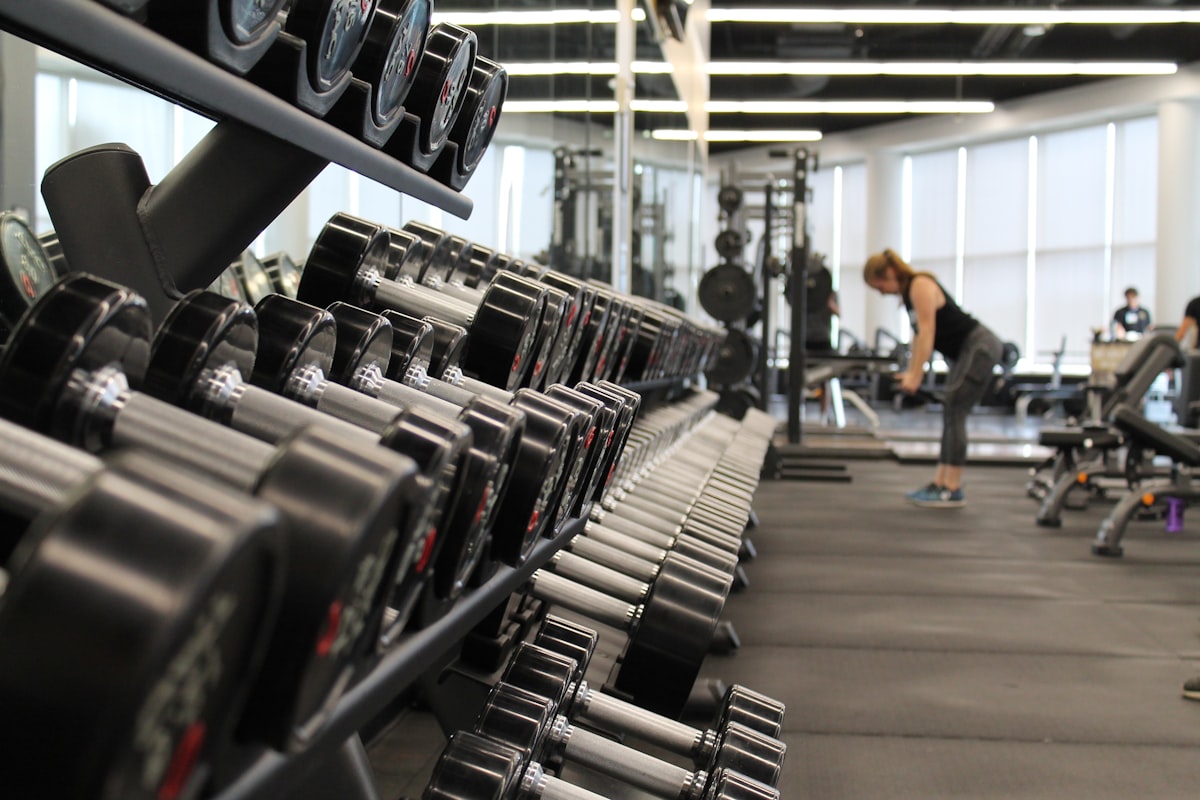
The Recovery Wall Every Athlete Hits
Five training sessions a week. Sleep dialed in. Macros tracked to the gram. And still, by Thursday, your legs feel like they belong to someone else.
If you train in Los Angeles, you know this cycle. Maybe you're a CrossFit athlete in Santa Monica grinding through double sessions. Maybe you're a marathon runner logging miles through Griffith Park, watching your pace plateau despite doing everything right. Or maybe you surf Malibu mornings and lift in the afternoon, and your body has started pushing back.
The frustrating part isn't the soreness. It's the gap between how hard you're willing to work and how fast your body can keep up. Recovery becomes the bottleneck. Not effort. Not discipline. Not programming.
That gap has pushed a growing number of competitive and recreational athletes toward a molecule that sits at the center of cellular energy production: nicotinamide adenine dinucleotide, or NAD+. It's not a supplement trend or a biohacking gimmick. It's a coenzyme your body already produces, one that declines with age and intense physical stress, and one that researchers are studying for its role in everything from mitochondrial function to DNA repair.
Here's what the science says about NAD+ and athletic performance, what it may do for recovery, and why athletes across Los Angeles are making it part of their training protocols.
What NAD+ Does at the Cellular Level
NAD+ is a coenzyme found in every living cell. It plays a central role in metabolic processes, particularly the conversion of nutrients into adenosine triphosphate (ATP), the energy currency your muscles depend on during every rep, sprint, and mile.
Inside the mitochondria, NAD+ acts as an electron carrier in the process of oxidative phosphorylation. Without adequate NAD+ levels, this process slows down. Less ATP gets produced. Your cells generate less energy, and your body feels the difference during training and recovery.
But NAD+ does more than fuel your workouts. It activates a family of proteins called sirtuins, which regulate cellular repair, inflammation response, and gene expression. Sirtuins depend on NAD+ to function. When NAD+ levels drop, sirtuin activity drops with them, and your body's ability to repair damaged tissue and manage oxidative stress weakens.
NAD+ also supports poly(ADP-ribose) polymerases, or PARPs, enzymes responsible for DNA repair. Intense exercise creates oxidative stress and micro-damage at the cellular level. PARPs consume NAD+ to fix that damage. The harder you train, the more NAD+ your body burns through.
Here's the problem: NAD+ levels decline with age. Research published in Cell Metabolism has documented a steady reduction in NAD+ concentrations as humans age, starting as early as your 30s. Combine that natural decline with the increased NAD+ demand from high-intensity training, and you get a compounding deficit.
Your body produces less NAD+ over time. Your training consumes more of it. The math stops working in your favor. That's the biological foundation behind the recovery wall so many athletes hit, and it's the reason NAD+ supplementation has attracted serious scientific attention.
Why Athletes Are Turning to NAD+
The interest in NAD+ among athletes goes beyond theory. It maps to specific, practical problems that training alone can't solve.
Faster recovery between sessions. When NAD+ levels are sufficient, mitochondrial function stays strong and sirtuin-mediated repair processes stay active. Research suggests this may help reduce the time your body needs between hard training days. For athletes who train five or six days a week, even a modest improvement in recovery speed changes the trajectory of a training block.
Mitochondrial support for endurance. Endurance athletes depend on mitochondrial density and efficiency. NAD+ is a required input for mitochondrial energy production. Studies in animal models have shown that boosting NAD+ levels may improve mitochondrial function and exercise capacity. Human research is still developing, but the mechanistic pathway is well established.
Reduced inflammation markers. Hard training creates systemic inflammation. That's a normal part of the adaptation process, but chronic inflammation from overtraining or inadequate recovery becomes a performance limiter. NAD+ supports anti-inflammatory pathways through sirtuin activation, which may help keep inflammation in a productive range rather than a destructive one.
Mental clarity for competitive focus. NAD+ supports brain cell metabolism through the same mitochondrial pathways it uses in muscle tissue. Athletes who maintain healthy NAD+ levels often report sharper focus and better decision-making during competition. That edge matters whether you're reading a wave at Malibu, pacing a marathon through downtown LA, or making split-second decisions during pickup basketball in Silver Lake.
The athletes pursuing NAD+ in Los Angeles aren't fringe biohackers. They're marathon runners in training for the LA Marathon. They're surfers who want to paddle out at dawn and still hit a lifting session before lunch. They're weekend warriors hiking Runyon Canyon who want their legs fresh for Monday's gym session. They're rock climbers in the San Fernando Valley and yoga practitioners in West Hollywood who want their bodies to match their ambitions.
The common thread: these athletes hit a ceiling that nutrition, sleep, and programming alone couldn't break through. NAD+ addresses the cellular bottleneck sitting underneath all of it.
NAD+ IV vs. Oral NAD+ Supplements for Athletes
If NAD+ matters, the next question is how to get more of it. Two primary options exist: oral supplements (NR and NMN precursors) and intravenous NAD+ infusions. The difference between them is significant, and for athletes operating on tight recovery timelines, that difference matters.
Oral NAD+ precursors like nicotinamide riboside (NR) and nicotinamide mononucleotide (NMN) must survive the digestive tract, get absorbed through the intestinal lining, travel through the liver, and then convert into NAD+ through a multi-step enzymatic process. Published bioavailability estimates for oral NR and NMN range from roughly 2% to 10%. That means for every 500mg capsule you swallow, your cells may receive 10 to 50mg of usable NAD+.
IV administration bypasses the entire digestive system. NAD+ enters the bloodstream directly and reaches cells at 100% bioavailability. No conversion steps. No absorption losses. No first-pass metabolism in the liver.
For an athlete trying to recover between a Saturday race and a Monday training session, the delivery speed matters as much as the dose. Oral supplementation builds NAD+ levels gradually over weeks. IV delivery raises circulating NAD+ within hours.
That doesn't make oral supplements worthless. Many athletes use daily NR or NMN as a maintenance strategy and schedule IV NAD+ sessions during heavy training blocks, competition season, or when recovery demands spike. The two approaches complement each other.
The cost difference reflects the delivery advantage. A month of quality NMN capsules runs $50 to $150. A single NAD+ IV session through Instadrip costs $699 and includes one free add-on (additional add-ons are $50 each). For athletes who need rapid results, the investment matches the urgency.
For a full breakdown of how these two approaches compare, read our detailed guide: NAD+ Supplements vs NAD+ IV Therapy.
What to Expect from an NAD+ IV Session
If you've never done an NAD+ IV infusion, here's what the process looks like with Instadrip.
You book online or by phone. Choose your location: your home, your gym, your office, your hotel room. Instadrip is a mobile IV therapy service, so the session happens wherever you are in the greater Los Angeles area.
A licensed registered nurse arrives at your scheduled time with all supplies. They'll review your health history, check your vitals, and set up the IV line. The NAD+ infusion itself takes between 2 and 4 hours depending on the dose and your tolerance. This is not a 30-minute drip. NAD+ must be infused slowly to avoid discomfort.
During the session, you may experience a "flush" sensation: warmth in your chest, a tingling feeling, or mild nausea. This is a normal response to NAD+ entering the bloodstream and typically passes within minutes. Your nurse can adjust the drip rate to keep you comfortable.
Most people use the infusion time to work, read, watch something, or rest. You don't need to clear your schedule beyond the session itself.
Afterward, many athletes report feeling a noticeable difference in energy and mental clarity within 24 to 48 hours. The effects may include improved sleep quality, reduced muscle fatigue, and a general sense of restored capacity. Individual responses vary, and NAD+ IV therapy is designed to support your body's natural processes, not replace the work you put in at the gym.
Pricing: NAD+ IV therapy is $699 per session. Each session includes one free add-on of your choice (B-complex, glutathione, vitamin C, and others). Additional add-ons cost $50 each.
NAD+ Across Los Angeles for Athletes
One of the advantages of mobile IV therapy is that your recovery comes to you. Instadrip serves athletes throughout the greater Los Angeles area, and different neighborhoods bring different training cultures.
Santa Monica. Beach runners, ocean swimmers, and outdoor CrossFit athletes who train hard in the salt air and need recovery that matches their volume.
West Hollywood. Home to some of LA's best gyms and personal training studios. Bodybuilders, physique competitors, and serious lifters use NAD+ to support training intensity during prep seasons.
Beverly Hills. Personal trainers, celebrity fitness coaches, and clients who expect peak performance from their bodies and their recovery protocols.
Silver Lake. Climbers, yoga practitioners, and the pickup basketball crowd who value functional fitness and want to stay active without chronic soreness holding them back.
Studio City. Fitness studios, cycling classes, and Pilates practitioners in the Valley who want a competitive edge in their daily training.
Brentwood. Canyon hikers and trail runners who put serious mileage on their legs every weekend and want to bounce back faster for the workweek.
No matter where you train in LA, Instadrip brings NAD+ IV therapy to your door. For a complete overview of NAD+ therapy, including benefits, research, and what to consider before your first session, read our NAD+ Complete Guide.
NAD+ and the Bigger Picture: Longevity for Athletes
Athletic performance isn't separate from long-term health. The same cellular mechanisms that determine how fast you recover from a hard workout also influence how your body ages.
NAD+ sits at the intersection of performance and longevity. The sirtuin pathways it activates are the same ones researchers study in the context of aging and age-related disease. The mitochondrial support it provides isn't relevant only to your next race. It's relevant to how your body functions at 50, 60, and beyond.
For athletes, this reframes NAD+ from a recovery tool to a long-term investment. You're not choosing between performing well now and aging well later. The same molecule supports both goals through the same cellular pathways.
If you're interested in the longevity angle, our deep dive into NAD+ and Anti-Aging Science covers the research in detail.
And if your training fatigue has you wondering whether something deeper is going on, our guide on Why Am I So Tired All the Time explores the common causes of persistent low energy and what you can do about them.
Frequently Asked Questions
How much does NAD+ IV therapy cost for athletes?
NAD+ IV therapy through Instadrip costs $699 per session. Each session includes one free add-on (such as glutathione, B-complex, or vitamin C). Additional add-ons are $50 each. There's no separate pricing for athletes vs. non-athletes. The NAD+ protocol is the same.
How often should athletes get NAD+ IV therapy?
Most athletes start with a loading phase of 2 to 4 sessions over 2 weeks, then shift to monthly maintenance sessions. During heavy training blocks or competition season, some athletes schedule sessions every 2 weeks. Your nurse can help you build a schedule that matches your training calendar.
Can I get NAD+ IV therapy before a race or competition?
Yes. Many athletes schedule a session 2 to 3 days before a race to ensure NAD+ levels are optimized. Avoid scheduling the day before or day of competition, as the infusion takes 2 to 4 hours and the flush sensation during the drip may cause temporary discomfort. Give your body at least 48 hours to integrate the NAD+ before race day.
Is NAD+ IV therapy safe for athletes?
NAD+ is a naturally occurring coenzyme in your body. IV administration is performed by licensed registered nurses who monitor your vitals throughout the session. Side effects are mild and temporary: flushing, warmth, mild nausea, or chest tightness during the infusion. These resolve when the drip rate is adjusted. NAD+ IV therapy contains no banned substances under WADA or USADA guidelines. However, athletes subject to anti-doping testing should always verify current regulations with their governing body.
How long does an NAD+ IV session take?
A standard NAD+ IV session takes 2 to 4 hours. NAD+ must be infused slowly to maintain comfort and allow your body to process it effectively. Plan to set aside a half day. Many athletes use the time to review training footage, answer emails, or rest.
What's the difference between NAD+ IV and a regular vitamin IV?
Standard vitamin IV drips (like Myers' Cocktails) deliver hydration, electrolytes, and vitamins like B-complex and vitamin C. They support general wellness and hydration. NAD+ IV therapy delivers a specific coenzyme that targets mitochondrial energy production, sirtuin activation, and DNA repair at the cellular level. The mechanisms are different, the session duration is longer, and the cellular impact is more targeted.
Can NAD+ help with muscle soreness?
NAD+ may help reduce muscle soreness through its role in cellular repair and anti-inflammatory pathways. By supporting sirtuin activity and mitochondrial function, NAD+ may help your body clear metabolic waste and repair micro-damage from intense training more efficiently. It's not a painkiller or an anti-inflammatory drug. It's designed to support the biological processes your body already uses to recover.
Book NAD+ IV Therapy for Your Next Training Block
Your training demands more from your body than nutrition and sleep alone can replenish. NAD+ IV therapy is designed to support the cellular energy and repair systems that keep you performing at your best.
Instadrip brings licensed RN-administered NAD+ IV therapy to your home, gym, or hotel anywhere in Los Angeles. $699 per session, one free add-on included.
Find Instadrip on Google Maps for reviews and same-day booking.
About the Author
Kyle Larson, RN, BSN, is the founder of Instadrip, a mobile IV vitamin therapy company serving Los Angeles. As a registered nurse, Kyle brings clinical expertise to every treatment and is passionate about making IV therapy accessible and convenient for LA residents.
About the Reviewer
Dr. Fatima Hussein, MD, serves as Instadrip's Medical Director. She oversees all IV therapy protocols and reviews all health content published on instadrip.com to ensure medical accuracy.