Hangxiety: Why You Feel Anxious After Drinking and What Your Body Needs to Recover

Author: Kyle Larson, RN, BSN | Published: June 9, 2026
4 AM in Silver Lake
The alarm didn't wake her. Her own heartbeat did.
Mara is a creative director at a branding agency off Sunset Junction. Last night was a networking dinner at a new wine bar on Hyperion Avenue. Three glasses of natural wine, some small plates, good conversation. Nothing reckless. She got home by 11, drank a glass of water, set her alarm for 7.
She's awake at 4:07 AM with her chest tight and her mind running at full speed. Every conversation from the dinner is replaying on a loop. Did she talk too much about the rebrand? Did the new client seem annoyed when she interrupted? Why did she tell that story about the pitch deck? Her stomach is turning. Her hands feel cold.
She picks up her phone and the notification badges hit like a wall. Fourteen unread emails. A Slack message from her associate creative director. An Instagram DM. Each one sends a pulse of dread through her ribcage before she reads a single word.
This isn't a panic attack. She's had those before and knows the difference. This is something lower-grade but wider. A fog of dread that wraps around everything. The dinner was fine. She knows that, somewhere in the rational part of her brain. But the rational part is offline right now, and the part that's running the show is convinced something went wrong.
She lies in bed for two hours, replaying and spiraling, before her alarm goes off. By then she's exhausted from a night of broken sleep and a morning of adrenaline she didn't ask for.
If you've had a version of this morning, you know it. The internet calls it hangxiety. The feeling has a name now because enough people recognized it to search for answers. The experience is common, measurable, and grounded in specific biochemistry.
What follows is the science of why your brain does this after drinking, why the usual fixes miss the mark, and what your body needs to recover faster.
What's Happening in Your Brain After Alcohol Wears Off
Hangxiety is not a character flaw or a sign that you did something wrong at the party. It is a predictable neurochemical event that follows alcohol consumption in a large percentage of people. Understanding the mechanism makes it less frightening and more fixable.
Your brain maintains a delicate balance between excitatory and inhibitory neurotransmitters. The two that matter most here are GABA and glutamate.
GABA (gamma-aminobutyric acid) is your brain's primary inhibitory neurotransmitter. It calms neural activity, reduces anxiety, promotes sleep, and keeps your nervous system from running too hot. When GABA is active, you feel calm and present. Alcohol enhances GABA receptor activity. This is why your first drink produces relaxation, social ease, and lowered inhibition. Alcohol is borrowing from your GABA system and spending it generously.
Glutamate is the opposite. It's your brain's primary excitatory neurotransmitter, responsible for alertness, learning, and energy. Alcohol suppresses glutamate activity while you're drinking. Your brain, sensing that glutamate levels are too low, responds by upregulating glutamate receptors, building more docking stations for glutamate molecules so it can maintain baseline excitatory function.
When the alcohol clears your system: GABA activity drops below its normal baseline because your brain had been relying on alcohol to keep GABA receptors firing. At the same time, glutamate rebounds hard. All those extra receptors your brain built are now flooded with glutamate that has no alcohol to suppress it. The result is a nervous system tilted toward excitation, hyper-alertness, and anxiety. Your calm-down system is depleted. Your alarm system is overcharged.
Several other systems pile on during this window.
Cortisol spikes during alcohol withdrawal, even minor withdrawal after a few drinks. Cortisol activates your fight-or-flight response. It raises heart rate, tightens muscles, sharpens threat perception, and suppresses digestive function. That tightness in Mara's chest at 4 AM? Cortisol.
Serotonin dips after drinking. Alcohol produces a temporary serotonin boost (contributing to the warm, social feeling of the first drink), but your brain compensates by reducing serotonin production. The morning after, serotonin levels are below normal, contributing to low mood, irritability, and the sense that everything is wrong even when nothing specific happened.
Blood sugar crashes because alcohol suppresses gluconeogenesis, your liver's ability to produce glucose. Your brain runs on glucose. When it doesn't have enough, you experience confusion, shakiness, irritability, and difficulty concentrating. These symptoms overlap with and amplify anxiety.
Acetaldehyde, the toxic byproduct of alcohol and dehydration, is still circulating while your liver processes it. Acetaldehyde causes nausea, rapid heartbeat, flushing, and a general feeling of physical unease. These physical symptoms mimic the somatic experience of a panic attack: racing heart, upset stomach, sweaty palms, shallow breathing. Your brain interprets the physical sensations as evidence that something is wrong, which amplifies the psychological anxiety.
The combination is specific: depleted GABA, overactive glutamate, elevated cortisol, low serotonin, crashed blood sugar, and acetaldehyde toxicity. Each one alone would be manageable. Together, they produce the particular flavor of dread, shame, and existential unease that defines hangxiety.
The Usual Fixes (And Why They Fall Short)
Most people reach for something when hangxiety hits. The problem is that the most instinctive responses either make it worse or address the wrong mechanism.
Coffee. Your first instinct at 7 AM is to make it to the kitchen and start a pot. Caffeine does counteract fatigue and can sharpen focus in the short term. But caffeine also increases cortisol production and acts as a mild diuretic. Your cortisol is already spiking. Your body is already dehydrated. Coffee amplifies the two systems that are driving your anxiety while doing nothing for the GABA-glutamate imbalance, serotonin deficit, or blood sugar crash.
Carbs and comfort food. A bagel or a plate of pancakes addresses the blood sugar crash, and that matters. The relief is real, for about 45 minutes. Then your blood sugar spikes from the refined carbs, your pancreas overcorrects with insulin, and blood sugar drops again, often lower than before. The second crash hits while you're still dealing with every other neurochemical imbalance.
"Hair of the dog." Another drink in the morning. This works in the short term because it re-engages the same GABA-enhancing mechanism that made you feel calm last night. The anxiety lifts for an hour or two. Then it comes back, compounded. You've added another round of alcohol for your liver to process, produced more acetaldehyde, extended the GABA suppression cycle, and pushed the withdrawal window later. You haven't fixed the problem. You've refinanced it at a higher interest rate.
Staying in bed and doom-scrolling. This one feels protective but does measurable harm. Lying still while scrolling social media keeps cortisol elevated. Blue light from your phone screen suppresses melatonin. The comparison and stimulation of a social media feed activate the same threat-assessment circuits that are already running hot. Studies on post-drinking recovery show that mild physical activity, a walk outside or gentle stretching, reduces cortisol faster than rest alone.
Over-the-counter pain relief. Ibuprofen or acetaminophen will address the headache. That's useful but narrow. It does nothing for the anxiety, the nausea, the brain fog, the dread, or the emotional dysregulation. And acetaminophen combined with residual alcohol puts additional stress on your liver, which is already working overtime on acetaldehyde metabolism.
None of these are bad choices in isolation. The gap is that hangxiety involves five or six interconnected systems failing at the same time, and each of these remedies addresses one, at best.
The Faster Fix Most People Don't Know About
The reason hangxiety is so persistent is that it's a multi-system problem. The GABA-glutamate imbalance, the cortisol spike, the serotonin dip, the blood sugar crash, and the physical symptoms from acetaldehyde are all running in parallel. What your body needs to break the cycle is a concentrated dose of specific nutrients delivered fast enough to interrupt the cascade before it runs its full 12- to 24-hour course.
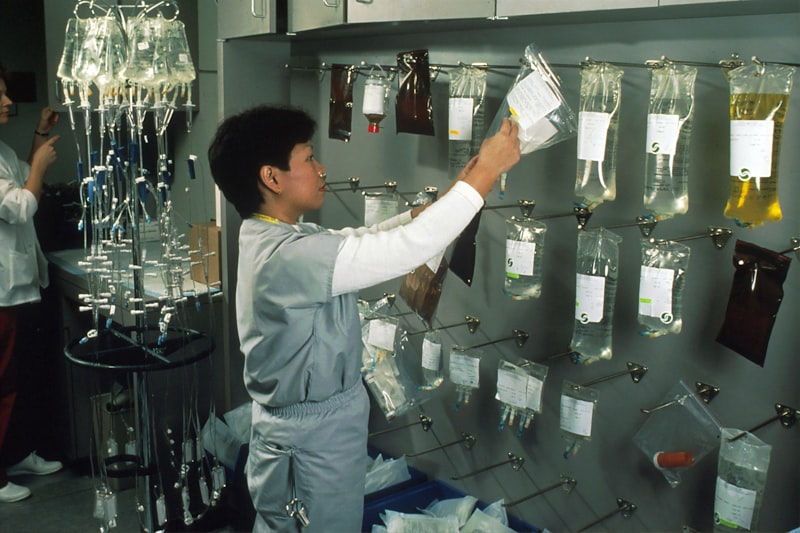
IV therapy addresses hangxiety by replenishing the building blocks your neurotransmitter systems need to rebalance.
B vitamins, B1 (thiamine), B6 (pyridoxine), and B12 (cobalamin) are central to this. Your body uses B6 as a cofactor in the synthesis of both GABA and serotonin. Without adequate B6, your brain cannot produce enough GABA to counteract the glutamate rebound, and serotonin production stays suppressed. Alcohol metabolism burns through B vitamins at an accelerated rate. A full B-complex infusion restores these cofactors to working levels within minutes of administration.
Magnesium calms the nervous system through a separate mechanism. Magnesium acts as a natural NMDA receptor antagonist, blocking overactive glutamate signaling at the receptor level. When magnesium levels are low (and alcohol depletes magnesium through direct renal excretion), glutamate has an easier time firing those extra receptors your brain built during the night. Restoring magnesium levels helps quiet the excitatory rebound that drives the racing thoughts and physical tension of hangxiety.
Electrolytes and IV saline stabilize cellular function across every organ system, including your brain. Dehydration alone impairs cognitive function and amplifies anxiety. The saline base in a hangover IV addresses the fluid deficit that water alone would take hours to correct through an inflamed gut.
Anti-nausea medication (ondansetron/Zofran) handles the physical symptoms that create a feedback loop with the psychological anxiety. When your stomach is churning, your brain reads those signals as confirmation that something is wrong. Eliminating the nausea breaks one arm of the cycle and makes everything else more tolerable.
The delivery method matters. Oral supplements, B vitamins, magnesium pills, electrolyte packets, all require your gastrointestinal tract to absorb them. After a night of drinking, your GI tract is inflamed. Absorption is impaired. IV delivery bypasses the gut and puts these nutrients into your bloodstream at 100 percent bioavailability in minutes.
Instadrip's Hangover IV ($349) includes the full B-complex, B12, magnesium, electrolytes, anti-nausea medication, and anti-inflammatory medication in a single 45- to 60-minute session. A licensed RN comes to your door, your apartment in Los Feliz, your hotel in Beverly Hills, your friend's house in Venice. You stay in your living room, on your couch, and the nurse handles everything from catheter placement to session monitoring.
Each session includes 1 free add-on. For hangxiety, glutathione (a potent antioxidant that depletes during alcohol metabolism) or extra B12 are popular choices. Additional add-ons are $50 each. NAD+ ($699) is available as a standalone infusion for people who want deeper neurological recovery support.
For the full framework on how hangover recovery works, including when to DIY, when to call a nurse, and how to triage your symptoms, the complete hangover recovery guide covers every stage.
Who This Hits Hardest (And Who Books Recovery)
Hangxiety affects everyone differently. But certain patterns in Los Angeles make it especially disruptive for specific groups.
Entertainment industry professionals who drink socially as a function of their career. Producers, agents, writers, and directors attend dinners, wrap parties, and industry events multiple nights per week. Missing the next work day isn't an option. A showrunner in Studio City who has a table read at 10 AM can't afford to spend the morning paralyzed by a GABA-glutamate rebound. These clients book Instadrip at 7 AM and walk into the writers' room functional.
People with pre-existing anxiety disorders. If you take an SSRI or have a generalized anxiety diagnosis, alcohol's effect on your serotonin and GABA systems is amplified. The neurochemical rebound hits harder because your baseline neurotransmitter balance is already something you manage. Hangxiety for this group isn't a mild inconvenience, it can trigger a multi-day anxiety flare.
Bachelorette party groups. A bachelorette weekend in West Hollywood involves two or three consecutive nights of drinking. By the third morning, the cumulative GABA depletion and B vitamin loss create hangxiety that's worse than any single night would produce. Groups of four to six book Instadrip sessions together at their hotel or Airbnb.
Professionals with high-stakes mornings. A real estate attorney in Century City who has a closing at 9 AM. A CFO with a board presentation. These people don't have the luxury of riding it out. They need their nervous system stabilized and their cognitive function restored before the day begins.
People who have tried everything else. The Pedialyte-before-bed crowd. The B-vitamin-supplement-every-morning group. These approaches help at the margins. When someone has been managing hangxiety with partial solutions for years and the results are inconsistent, IV therapy offers a different mechanism at a different speed.
What to Expect If You Book a Session
Booking takes less than five minutes. You can call, text, or book through the Instadrip website. Morning-of bookings are common because most hangxiety clients don't plan ahead.
After you book, a licensed registered nurse is dispatched to your location. Average arrival time is within 60 minutes. The nurse arrives with all supplies, equipment, and medications. A comfortable spot on your couch or bed works.
The nurse starts with a brief health assessment, then places a small IV catheter, typically in your forearm or hand. The placement takes about 30 seconds and feels like a brief pinch.
The drip runs for 45 to 60 minutes. The anti-nausea medication tends to produce noticeable relief within 15 to 20 minutes. Many clients describe a gradual loosening of the chest tightness and a quieting of the racing thoughts as the B vitamins and magnesium enter their system.
When the bag is finished, the nurse removes the catheter, checks your vitals, and leaves. Most clients report feeling functional within an hour of the session ending. The dread lifts. The fog clears.
You can eat, drink coffee, shower, or leave the house as soon as the session ends. There's no recovery period from the IV itself.
Preventing Hangxiety Before It Starts
Not every night of drinking produces hangxiety. The severity depends on how much you drank, what you drank, whether you ate, how hydrated you were before the first drink, and your individual neurochemistry.
Eat a full meal with protein and fat before you drink. Food slows alcohol absorption and blunts the severity of the GABA-glutamate swing. Drinking on an empty stomach is the most reliable way to guarantee a rough morning.
Alternate each alcoholic drink with a glass of water. This won't eliminate dehydration, but it slows the rate of fluid loss. For a deeper look at what your body needs before, during, and after drinking, the guide on how to prevent a hangover covers the full timeline.
Choose lower-congener drinks when possible. Vodka, gin, and white wine produce less acetaldehyde than bourbon, red wine, and dark rum.
Take a magnesium supplement before bed. Magnesium glycinate is well-absorbed and supports the GABA system overnight.
Set a limit before the night starts. The GABA-glutamate rebound scales with alcohol dose. Two drinks over three hours produces a mild rebound. Five drinks over three hours produces a severe one. The difference in morning-after anxiety between those two scenarios is not proportional, it's exponential.
Frequently Asked Questions
Does IV therapy help hangover anxiety?
IV therapy is designed to support recovery from the specific nutrient depletions and imbalances that produce hangover anxiety. B vitamins (especially B6) are cofactors in GABA and serotonin production. Magnesium calms overactive glutamate signaling. Electrolytes and saline address the dehydration that amplifies cognitive and emotional symptoms. Anti-nausea medication breaks the physical-symptom feedback loop.
How fast does IV therapy work for hangxiety?
Most clients notice improvement within 15 to 20 minutes of the session starting. The anti-nausea medication tends to produce the first wave of relief. The calming effects from B vitamins and magnesium build over the course of the 45- to 60-minute session. By the time the drip finishes, most people report that the chest tightness, racing thoughts, and sense of dread have diminished or resolved.
Can I get a hangover IV at home in Los Angeles?
Yes. Instadrip sends a licensed registered nurse to your location anywhere in the greater Los Angeles area, your home, hotel, Airbnb, or office. Most nurses arrive within 60 minutes of booking. Common service areas include West Hollywood, Beverly Hills, Santa Monica, Silver Lake, Hollywood, DTLA, Venice, Brentwood, Century City, Studio City, and the South Bay.
Is hangxiety a real medical condition?
Hangxiety is a colloquial term, not a formal clinical diagnosis. But the neurochemistry behind it is well-documented. Peer-reviewed research confirms that alcohol withdrawal, even mild withdrawal after social drinking, produces measurable increases in glutamate activity, cortisol levels, and sympathetic nervous system activation, alongside decreases in GABA and serotonin function. It is real, physiological, and not a reflection of weak character or excessive drinking.
How long does hangxiety last?
Without intervention, hangxiety peaks 12 to 14 hours after your last drink and resolves within 24 hours for most people. In heavy drinkers or those with pre-existing anxiety disorders, symptoms can persist for 48 to 72 hours. IV therapy is designed to compress the recovery window by restoring the nutrients and hydration your nervous system needs to rebalance.
What vitamins help with hangover anxiety?
B6 (pyridoxine) is the most important because it serves as a cofactor in GABA and serotonin synthesis. B1 (thiamine) supports nerve function and is depleted during alcohol metabolism. B12 (cobalamin) supports neurological function and energy metabolism. Magnesium acts as a natural glutamate blocker and calms the nervous system. Vitamin C supports adrenal function and may help modulate the cortisol response. All of these are included in Instadrip's Hangover IV.
Does Instadrip offer anti-anxiety add-ons?
Each Instadrip session includes 1 free add-on. Popular choices for hangxiety include extra B12, glutathione (an antioxidant that supports detoxification), and extra magnesium. NAD+ ($699) is available as a standalone infusion. Additional add-ons beyond the free one are $50 each.
How much does a hangover IV cost?
Instadrip's Hangover IV is $349. That includes the saline base, full B-complex, B12, anti-nausea medication, anti-inflammatory medication, and 1 free add-on. Additional add-ons are $50 each. NAD+ infusions are $699. There are no hidden fees, travel charges, or booking surcharges.
You Don't Have to Wait It Out
Hangxiety is your brain's chemistry correcting itself after a night of borrowed calm. The dread, the replaying, the racing heart, all of it traces back to depleted GABA, overactive glutamate, spiked cortisol, and crashed serotonin. Your body can rebalance on its own, but the timeline is 12 to 24 hours of discomfort that most people would rather skip.
Instadrip brings a licensed RN to your door anywhere in Los Angeles with the vitamins, minerals, and medications your nervous system needs to recover. If you've had the full-body misery of feeling sick after drinking paired with the mental spiral of hangxiety, you know the difference between powering through and getting real support.
Find Instadrip on Google Maps for reviews and same-day booking.
About the Author
Kyle Larson, RN, BSN, is the founder of Instadrip, a mobile IV vitamin therapy company serving Los Angeles. As a registered nurse, Kyle brings clinical expertise to every treatment and is passionate about making IV therapy accessible and convenient for LA residents.
About the Reviewer
Dr. Fatima Hussein, MD, serves as Instadrip's Medical Director. She oversees all IV therapy protocols and reviews all health content published on instadrip.com to ensure medical accuracy.